Sedona wedding planning guide
Best Time to Get Married in Sedona: A Local Season-by-Season Guide
My honest, season-by-season guide to Sedona wedding weather, crowds, light, guest comfort, and the tradeoffs couples should know before choosing a date.
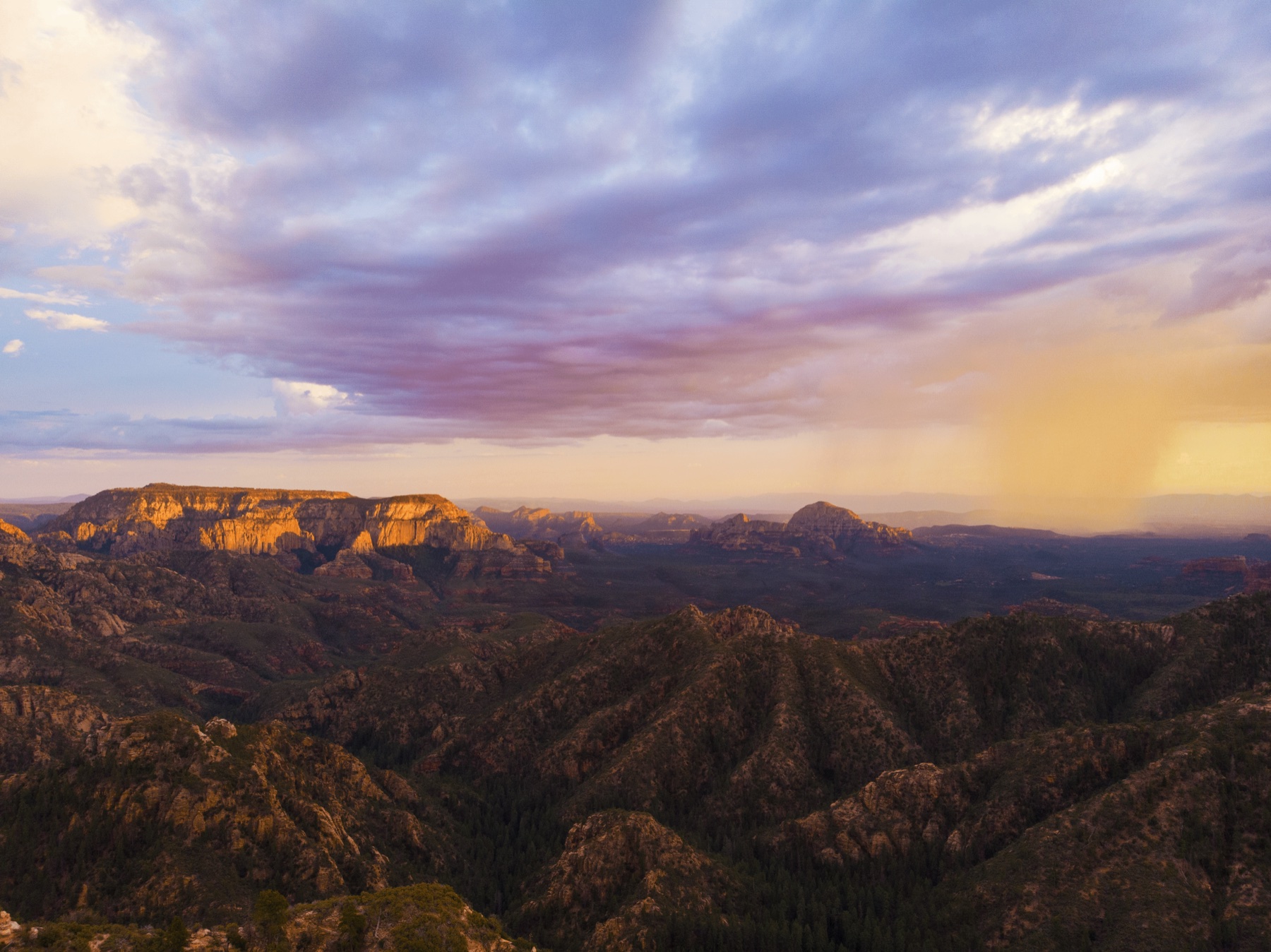
If you ask me for the one perfect month to get married in Sedona, I will not give you one.
I have filmed weddings and elopements here in every season. Sedona has gorgeous wedding days all year, and every season asks you to compromise somewhere. Spring and fall bring comfortable weather and heavier crowds. Summer gives us long days and dramatic skies, along with heat and monsoon storms. Winter can be quiet and beautiful, but the days are short and the temperature drops fast.
The best date is the one whose tradeoffs fit the way you actually want the day to feel.
The short answer
Most couples are happiest in spring or fall. Late March through April and October through early November usually give us the best mix of comfortable temperatures and beautiful outdoor conditions.
Those dates also book quickly. Venues, lodging, restaurants, and experienced local vendors all feel the demand.
Here is the honest version of each season:
Spring: Comfortable, fresh, and busy.
Summer: Long days, bold skies, serious heat, and possible monsoon storms.
Fall: Warm light, comfortable evenings, and another busy wedding season.
Winter: Quieter landscapes, short days, cold evenings, and a chance of snow.
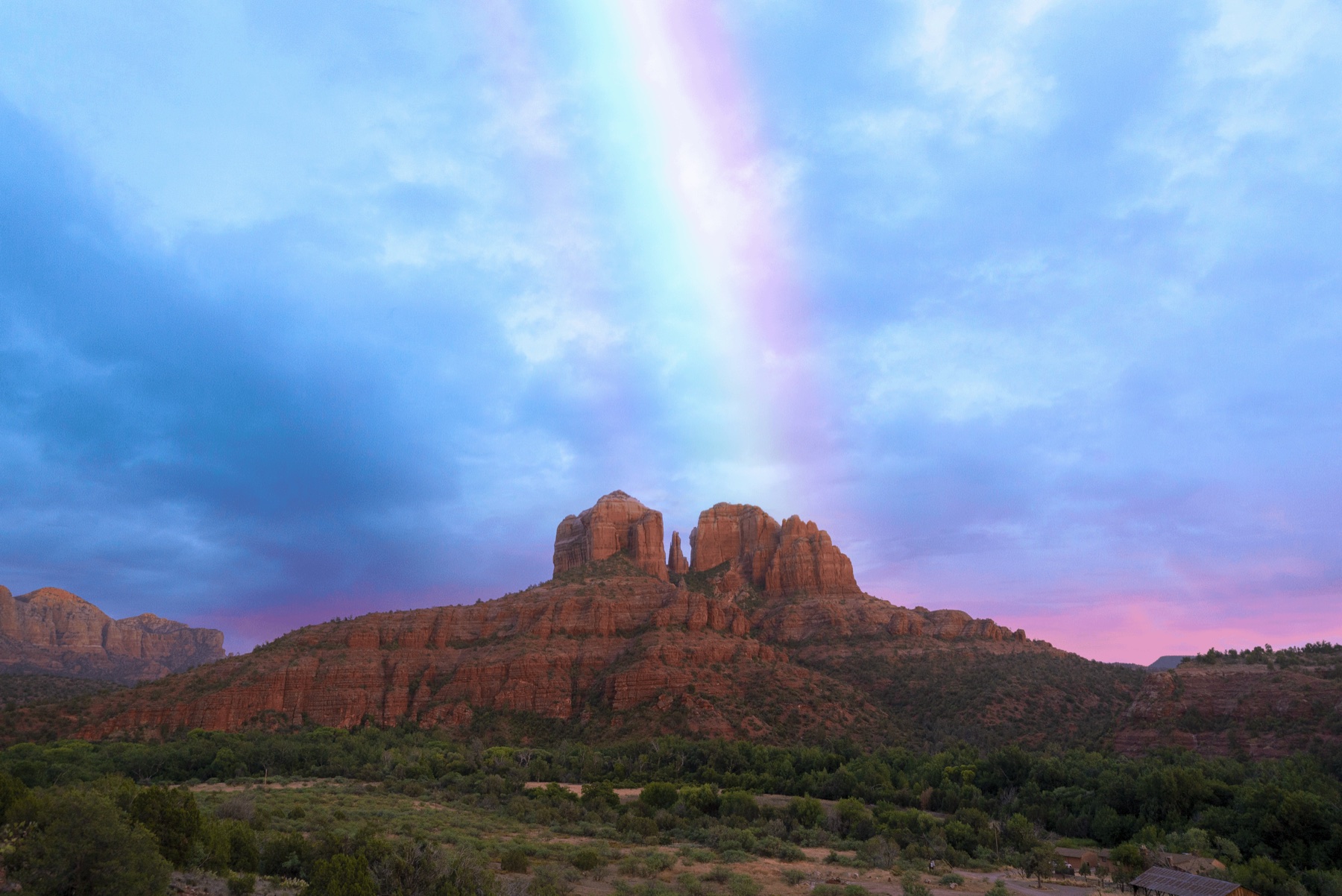
Sedona weather can change the entire mood of the landscape in minutes. Flexibility is part of the plan—and often part of the magic.
Spring: March through May
Spring is popular for good reason. Outdoor ceremonies are usually comfortable, desert plants begin to wake up, and we can often build a timeline around late-afternoon light without fighting extreme temperatures.
March can still surprise people. A warm afternoon may turn into a cold evening, and Sedona wind is not gentle with veils, audio, or elaborate decor. April is often the most balanced spring month. By May, the midday sun feels much stronger, even when the morning and evening are lovely.
Spring is a great fit if you want:
An outdoor ceremony with broadly comfortable weather.
A full wedding day with portraits, guest time, and a reception.
Green mixed into the red-rock landscape.
A destination weekend with plenty for guests to do.
Bring a layer for after sunset and book early. Out-of-town couples often assume Arizona stays warm after dark; Sedona enjoys proving them wrong.
Summer: June through August
Summer can be spectacular, but I want couples to plan it honestly.
June is usually hot and dry. July and August can bring dramatic cloud cover and fast-moving storms. Arizona’s official monsoon season runs from June 15 through September 30, and storms can bring lightning, hard wind, heavy rain, and flash flooding. The National Weather Service monsoon guide is worth checking while you plan and again during wedding week.
This does not make summer a bad choice. It makes a noon ceremony on exposed red rock a bad choice.
For a summer wedding, I recommend:
A venue with a real indoor or covered backup.
Outdoor portraits early in the morning or later in the day.
Water, shade, transportation, and guest mobility built into the timeline.
Enough flexibility to move if lightning, wind, or flash flooding becomes a concern.
No promise of drone coverage until the weather and location are known.
Summer works beautifully for couples who love dramatic skies and can stay flexible. When the weather shifts safely, we work with it. When it becomes unsafe, we move.
Fall: September through November
Fall is Sedona’s other major wedding season. September can still feel like summer. October usually brings warm days, cooler evenings, and the golden light people picture when they imagine a red-rock wedding.
October is also busy. Roads, restaurants, trailheads, hotels, and scenic areas can all fill up. Never build a timeline that depends on every drive taking exactly as long as the map says.
November becomes cooler and quieter as the month goes on. Daylight disappears earlier, so we plan the ceremony backward from the actual sunset. If portraits matter to you, the light needs to be part of the schedule from the beginning.
Fall is a great fit if you want:
Comfortable outdoor weather.
Rich, warm light against the red rocks.
A full destination weekend for guests.
A traditional wedding day or a longer adventure elopement.
If October is on your list, I wrote a separate Sedona in October guide with more detail on weather, crowds, color, and trail access.
Winter: December through February
Winter is underrated. Sedona is quieter, the air can be beautifully clear, and an occasional snowstorm completely changes the landscape.
I would never sell a couple on the promise of snow—it may not happen—but it is unforgettable when it does.
The practical side: winter days are short and the temperature drops quickly after sunset. Shaded trails and higher locations can hold ice even when town feels comfortable. A winter timeline needs to protect daylight, guest warmth, transportation, and a simple backup plan.
Winter may be right for you if you want:
A quieter, more intimate feeling.
Clear air and a dramatic seasonal atmosphere.
A shorter celebration centered on the ceremony and landscape.
An elopement or micro wedding with room to adjust.
It is probably not the season for a long outdoor reception after dark or for guests whose travel plans cannot bend around winter weather.
Think beyond the forecast
Weather matters. So do the people, the traffic, the land rules, and the light.
Your guests
Not everyone you love wants to hike, climb, stand on uneven rock, or spend an afternoon in direct sun. Choose for the people who are actually coming, not an imaginary group of tireless hikers.
Sedona has plenty to offer without a difficult trail. My guide to things to do in Sedona without hiking gives families useful alternatives, and the Northern Arizona Bucket List can help turn the wedding into a larger trip.
Traffic and lodging
Sedona is a small town with a very large reputation. Popular weekends put pressure on hotel rooms, dinner reservations, roads, and parking. The official Visit Sedona planning resources are useful for maps, passes, transportation, and visitor information.
Tell guests where to stay and leave real room for travel. A timeline that only works on an empty road does not work in Sedona.
Public land and legal coverage
A beautiful overlook is not automatically a wedding venue. The rules depend on the exact location, group size, setup, paid vendors, and land manager.
Season does not change the Wilderness rule: professional wedding photography and filming are not allowed in designated Wilderness areas. A couple may be able to hike through or hold a simple ceremony in a place where paid coverage is not legal. I remove those locations from the coverage plan and help couples find a nearby option where the ceremony and the professional team are both allowed.
My full Sedona elopement planning guide explains permits, guest counts, filming, access, and backups in more detail.
The light in your film
Sedona changes with the light. Morning feels quiet and clean. Late afternoon brings warmth and dimension. Midday is bright and exposed. Clouds can soften the whole landscape or create a sudden cinematic shift.
The season controls how much time we have. A late winter ceremony may leave almost no portrait light. A comfortable summer ceremony may push dinner later than expected. Talk with your filmmaker and photographer before invitations lock the schedule.
So which month should you choose?
If you want the safest general starting point, look at April or October. Both usually offer a strong balance of weather, light, and guest-friendly activities.
Then decide which tradeoff feels most like you:
Choose March or November for shoulder-season character and cooler conditions.
Choose May or early June for longer days if you are comfortable with heat.
Choose July or August for dramatic skies and a flexible weather plan.
Choose December through February if quiet and atmosphere matter more than warmth.
There is no month with zero risk. Choose the conditions you are comfortable planning around—and a backup you would still be happy to call your wedding.
Frequently asked questions
Is October the best month to get married in Sedona?
It is one of the most popular because the weather is often comfortable and the light is beautiful. It is also busy. Book lodging and your priority vendors early, leave room for traffic, and expect other people at popular scenic locations.
Is summer too hot for a Sedona wedding?
Not necessarily, but timing and shade matter. Avoid prolonged midday exposure, use a venue with a substantial weather backup, and stay flexible during monsoon season.
Does it snow in Sedona?
Yes, but it is inconsistent. Treat snow as a possibility, not a design requirement. Roads, shaded trails, and higher locations may still be icy after snow in town has melted.
How far ahead should we book?
For a spring or fall weekend, start as early as you reasonably can—especially if a particular venue or filmmaker matters to you. Weekdays, winter dates, and small celebrations may offer more flexibility, but destination guests still need time to arrange travel.
Choose the feeling, then choose the date
Your wedding does not need to perform for the landscape. The best Sedona plans leave room for the place, the people, and the unplanned moments that make the film feel like you.
If you are deciding between seasons, tell me what you are planning. I will help you think through the light, weather, access, and pace of the day before you lock the date.