Sedona wedding planning guide
How to Choose a Sedona Wedding Videographer When You Can't Visit First
Compare Sedona wedding videographers from abroad using full films, clear coverage questions, remote consultations, and a written booking checklist.
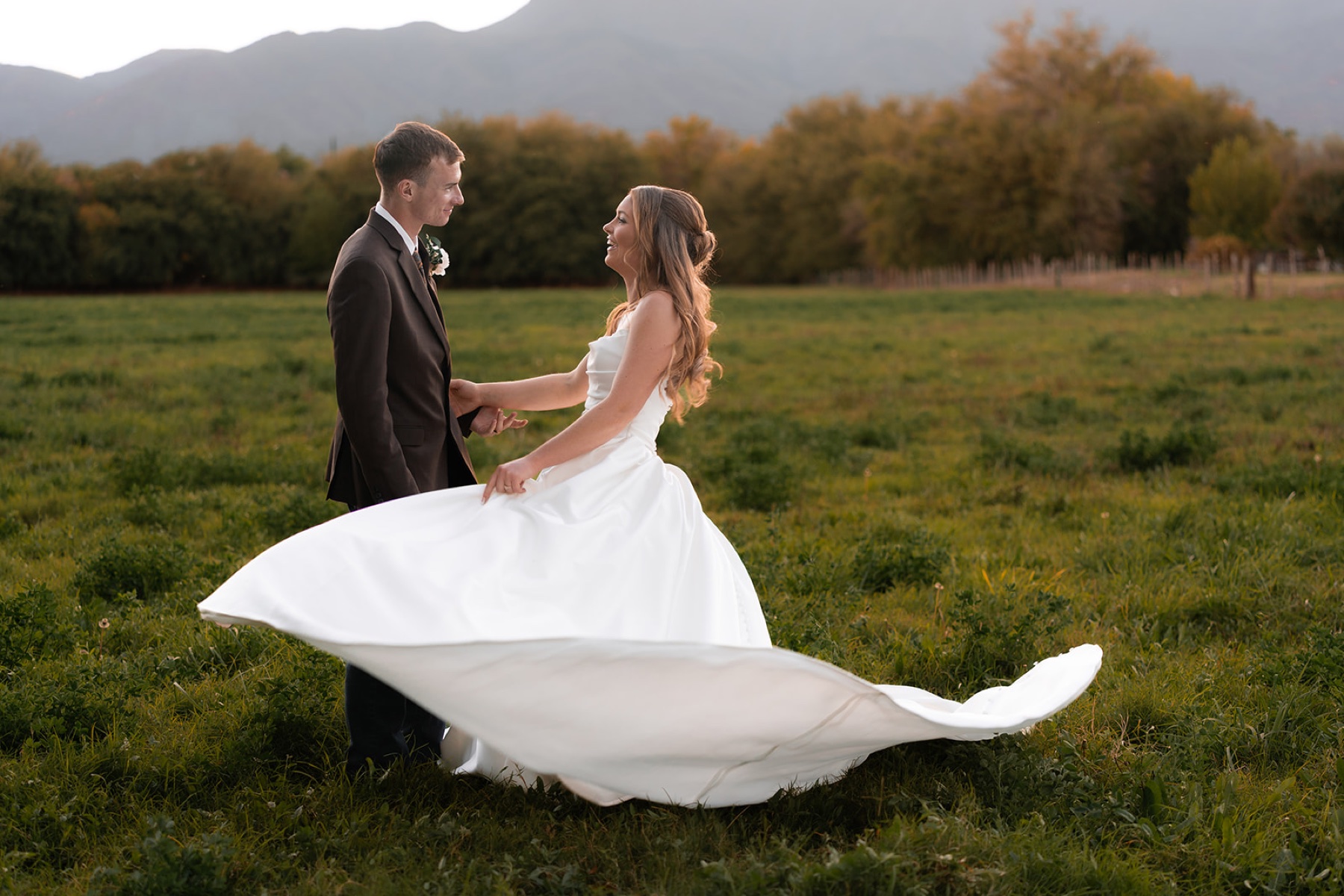
If you are choosing a Sedona wedding videographer from another country, your first meeting may happen on a screen and your first in-person hello may be on the wedding day. That makes the evidence you gather before booking especially useful.
Start with complete examples of the work, then compare the actual coverage and the way the filmmaker communicates. You should finish the process knowing whose work you connect with, who will be there, what you will receive, and how the plan will come together across time zones.
Watch a complete film before comparing packages
A short social clip can show a visual style, but it gives you little time to judge storytelling. Watch several films from beginning to end. Notice whether you become interested in the people, whether the voices are clear, and whether the pacing gives meaningful moments enough room.
Choose examples that resemble the structure of your plans. A private elopement, a small family celebration, and a full reception involve different moments and coverage needs. Our film collection offers a starting point, and the Sedona elopement videography page brings together examples for a more intimate day.
A finished highlight film is also different from a complete ceremony or speech recording. If those longer records matter, ask to see an appropriate example and confirm whether they are included or available separately. Do not infer an entire deliverables list from one beautiful portfolio film.
Compare one version of your day across every quote
Send each filmmaker the same outline: date, location or shortlist, approximate guest count, planned events, and the moments you care about most. Mention that you are planning from abroad and whether an advance visit is possible. Consistent information makes the proposals easier to compare.
Write down coverage hours, the number of filmmakers, which locations and events are covered, and each promised finished film. Ask whether travel, additional coverage, and other requested items are included in the total. Confirm the currency and payment schedule in writing. Use our published collections to understand the different shapes of coverage, then request a proposal for your actual plans.
For example, getting ready, a ceremony, portraits, and dinner speeches may span more of the day than you expect, even with few guests. Rather than assuming a smaller wedding needs the shortest collection, compare your must-have moments against the start and finish times. The Sedona wedding timeline guide can help you prepare that outline.
Use the consultation to understand the working relationship
Bring two or three things you noticed in the films and ask how the filmmaker approaches them. You might mention the use of vows, the amount of direction during portraits, or the way family interactions are included. Specific observations lead to a more useful conversation than asking whether the style is cinematic.
Ask who would film your wedding and who would be your planning contact. A studio may have a team; understand the arrangement rather than assuming the person on the call will handle every part of the work. Ask what happens if the assigned filmmaker becomes unavailable and where the agreement addresses that situation.
Explain anything that could change how the day is documented: several languages spoken during the ceremony, a reading that needs context, cultural traditions, a relative you especially want included, or a preference for very little direction. Ask what the team can support and what information it needs. Translation, subtitles, and live streaming should each be discussed explicitly if you want them; they are not automatic features of a wedding film.
Ask how local knowledge will help your specific plan
An answer becomes useful when it relates to your locations. Ask how movement between the venue and portraits would affect coverage, how the team coordinates with your photographer, and when it would review the timeline with your planner or venue contact.
If you are considering an outdoor ceremony, ask how the team approaches sound, wind, and a location change. Discuss backup recording and file handling in ordinary terms: what is protected during recording, how footage is managed afterward, and what contingency process applies if equipment or conditions change. These are questions to ask each provider, not assumptions about identical systems across the industry.
Make the boundary around planning help clear. Filmmaking coordination can inform the schedule, but it does not establish that the filmmaker books transport, arranges permits, or manages all other vendors. Our frequently asked questions explain the role Sedona Wedding Films takes in preparing coverage with your wedding team.
Agree on a communication plan across time zones
Ask which channel to use for routine questions, when the next planning conversation normally happens, and what information is needed before you arrive. A reliable process does not require someone to reply immediately during your home country's working day. It does require clear expectations and an agreed way to handle time-sensitive changes.
After the consultation, send a short recap of your priorities and any open questions. Confirm local times in the calendar invitation rather than relying on an informal time difference. Before traveling, share the final wedding-day contacts and identify who can make routine decisions if you are unavailable while in transit.
Read the delivery details before signing
Check the promised delivery timeframe, how the films will be delivered, any download or access limits, the revision policy, and the arrangements for preserving your own copies. Ask how music is selected and what rights accompany the finished film. If you plan to show it at a celebration back home, explain the setting and check what is included in the agreed usage.
Read the cancellation, postponement, substitution, and payment terms as carefully as the creative description. If a feature matters enough to influence your choice, get it into the written agreement. Warm communication and clear documentation belong together.
Make the choice around the film and the experience
The best fit is a filmmaker whose work you want to return to and whose process you understand. You should be able to describe why you chose them beyond the landscape or the length of the film.
If Sedona Wedding Films feels like that fit, send us your plans. Include where you are planning from, your date or date range, and the moments you most want to keep. That gives us a useful starting point for discussing availability, coverage, and the next steps from wherever you are.