Sedona wedding planning guide
How to Choose a Sedona Wedding Venue: Views, Access & Guest Experience
A local filmmaker’s guide to choosing a Sedona wedding venue that works for your view, guest list, timeline, weather plan, and the way you want the day to feel.
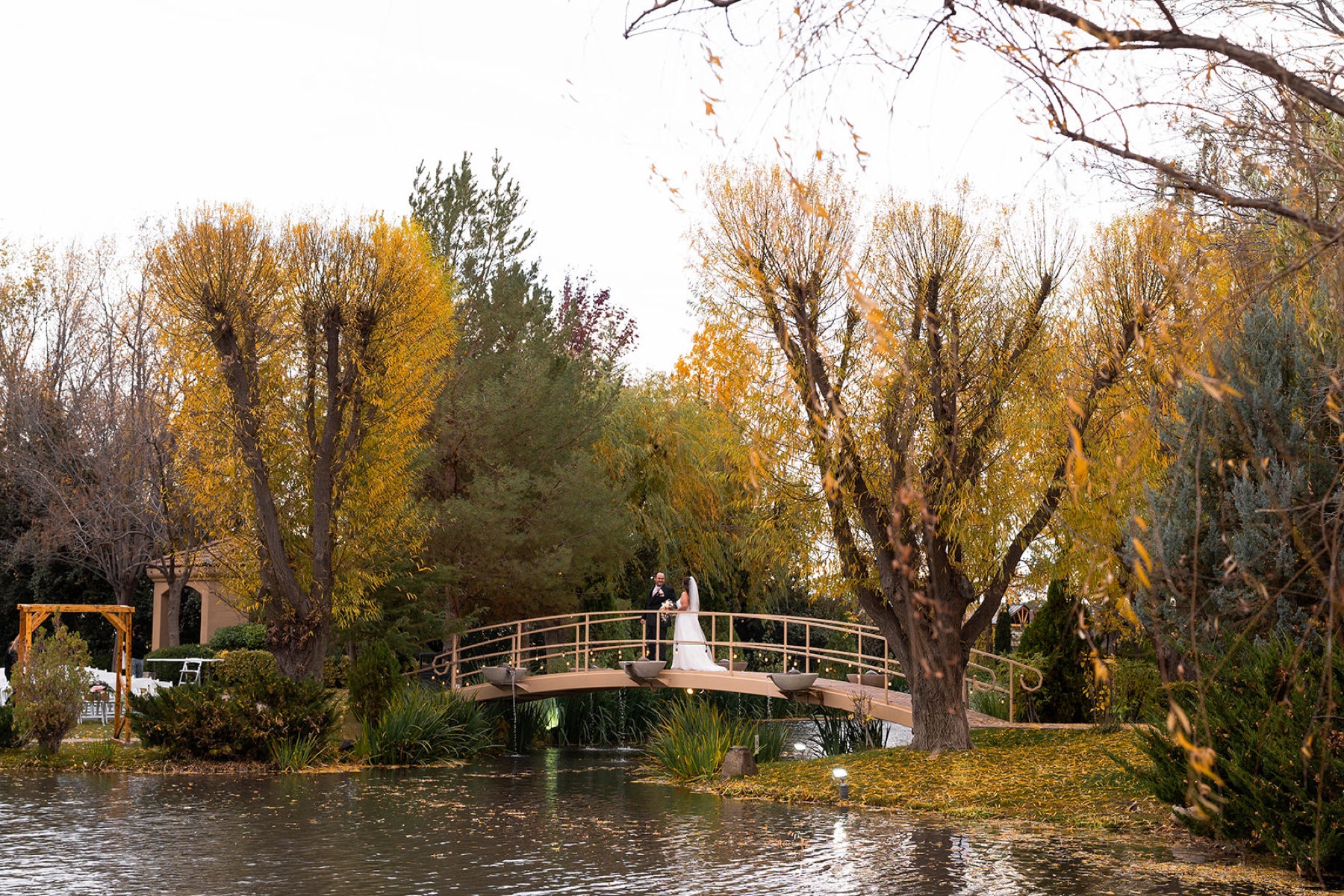
The best Sedona wedding venue is not simply the one with the biggest red-rock view. It is the place that gives you the view and supports the day you are actually planning.
I have worked at polished resorts, intimate private venues, ceremony sites tucked into the trees, and public-land locations with almost no infrastructure. Every type can be beautiful. They create completely different experiences for you, your guests, and the team documenting the day.
Before you book anything, I want you to look beyond the first five minutes of the tour. Picture the full day: getting ready, arrivals, ceremony, portraits, dinner, speeches, sunset, dancing, and the moment everyone needs to get home.
Start with the feeling, not the venue list
Do you want a full wedding weekend where everyone can settle in? A beautiful ceremony followed by dinner with twenty people? An outdoor celebration with a traditional reception? A quiet elopement with the red rocks carrying most of the visual weight?
The answer changes what “right venue” means.
A traditional wedding usually needs substantial reception space, a weather backup, vendor access, restrooms, power, parking, and enough hours for the full story.
A micro wedding may need a ceremony space, a beautiful dinner setting, and a thoughtful plan for portraits more than it needs a large dance floor.
An elopement may not need a conventional venue at all, but it still needs a legal location, a transportation plan, and a comfortable backup.
If you are still deciding between a very small wedding and an elopement, read my guide to Sedona micro weddings versus elopements before you start touring.
Decide how important an onsite red-rock view really is
Sedona has venues where the red rocks are part of the ceremony backdrop, venues surrounded by trees, and beautiful spaces where the landscape appears in smaller glimpses.
An onsite view is convenient, especially when guests have limited mobility or the timeline is tight. It is not the only way to make the landscape part of your wedding film. Some couples hold the ceremony at a venue that takes excellent care of their guests, then leave briefly for portraits at a scenic location.
That can give you both things: a comfortable celebration and an honest sense of place.
Ask yourselves:
Do we need every guest to see the red rocks during the ceremony?
Would we be happy stepping away for portraits?
How much driving are we comfortable adding?
Would the view still matter if the weather closes in?
Tour the backup plan with the same attention
I care deeply about the rain plan because Sedona weather does not negotiate with a Pinterest board.
If a venue says it has an indoor or covered backup, ask to see it. Stand inside it. Find out how quickly the team can move the ceremony, where guests wait, what happens to the florals, and whether the alternate space still feels intentional.
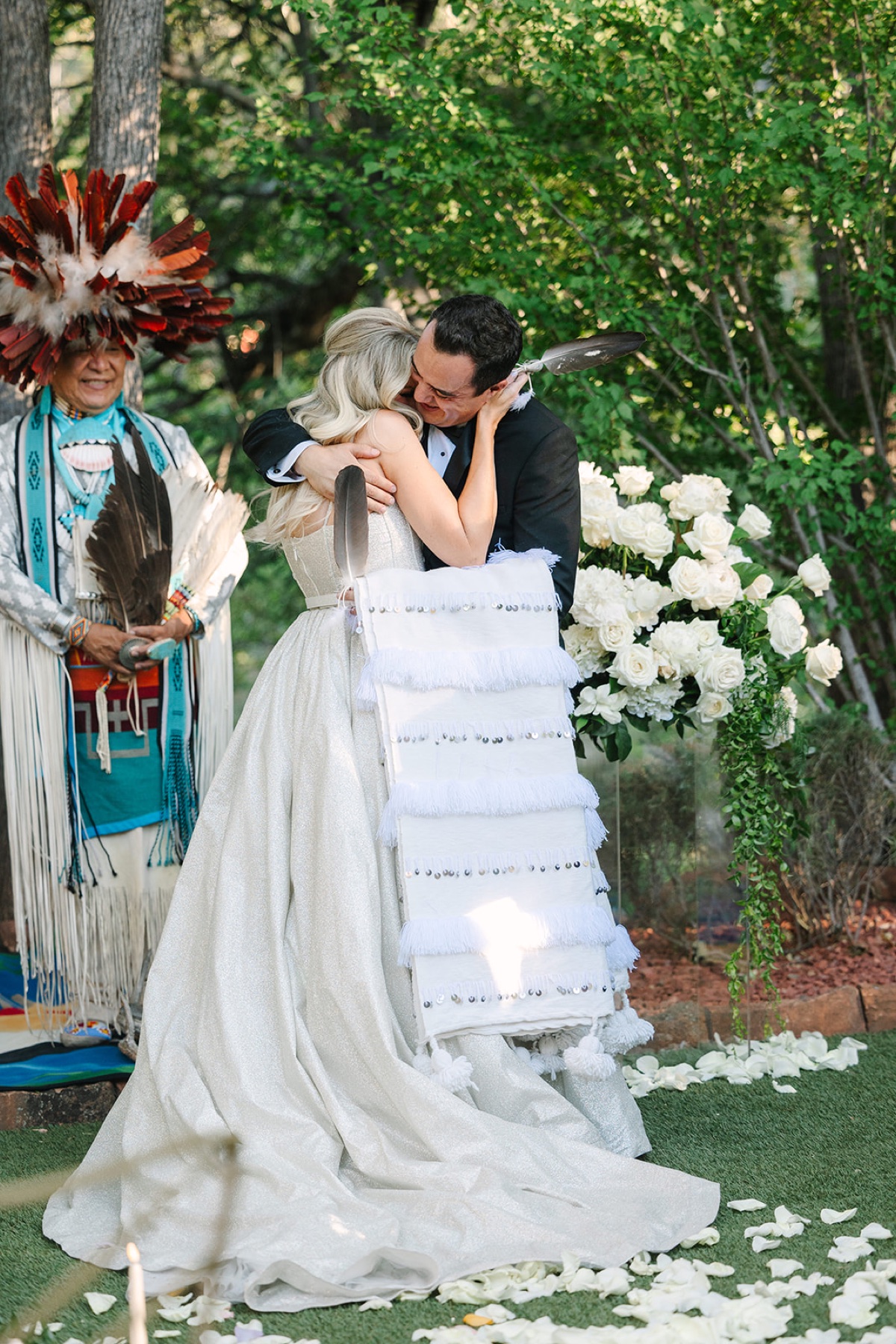
An intimate ceremony still needs enough room for the people, the team, and the emotion to unfold without everyone feeling crowded.
A strong backup should answer:
Is it large enough for the full guest count?
Is it protected from wind as well as rain?
Can the ceremony sound system work there?
Is the light flattering for photos and film?
Does moving the ceremony affect dinner or cocktail hour?
Who makes the weather call, and when?
You do not need to love the backup as much as the primary plan, but you should be able to imagine getting married there without feeling as though the day has been ruined.
Follow the guest experience from arrival to departure
Destination guests often arrive excited, slightly disoriented, and unfamiliar with Sedona roads. Make their path obvious.
Look at parking, shuttles, walking distance, stairs, loose gravel, nighttime lighting, restrooms, temperature changes, and how far people will travel between events. A venue can feel easy at two in the afternoon and confusing after dark.
If older family members, young children, or guests with mobility concerns are attending, ask them what they need before choosing the ceremony site. Accessibility is not only a ramp at the entrance. It is the full route from the vehicle to the seat, restroom, dinner table, and ride home.
Ask where each part of the day will happen
The timeline becomes much clearer when every chapter has a real place.
Getting ready
Are there two usable preparation spaces? Is there enough window light? Can hair and makeup, clothing, people, bags, and the photography and film team all fit without turning one room into a storage closet?
The ceremony
Where does the sun sit at ceremony time? Will guests look directly into it? Is the aisle long enough for the entrance you imagine? Can we capture clean audio without placing equipment in the middle of the view?
Portraits
Does the venue have variety within walking distance, or will we travel? If we leave, how long is the round trip in real Sedona traffic? Does the location allow professional photography and filming?
Dinner and reception
Can the space support your guest count comfortably rather than technically? Is there room for speeches, dancing, entertainment, and the film team to work without blocking service?
The ending
When does amplified music stop? How does transportation work after dark? If you want a sparkler moment or other special exit, is it permitted and safe at the venue?
My Sedona wedding timeline guide will help you connect those spaces without making the day feel like a relay race.
Think about light before the schedule is locked
Light changes faster in Sedona than many couples expect. The sun can disappear behind a ridge well before the official sunset time, and tall canyon walls can put one part of a venue into shade while another remains bright.
Ask the venue when the ceremony location loses direct light during your month. Then involve your photographer and filmmaker before finalizing the ceremony time.
For most outdoor celebrations, I prefer a timeline that protects a generous pocket of late-day portrait light without forcing guests to wait endlessly for dinner. Sometimes that means portraits before the ceremony. Sometimes it means a short sunset break during the reception. The right answer depends on the property and season.
Understand what is included—and what has to be rented
A venue fee rarely tells the whole financial story. Ask for a detailed list of what is included:
Tables, chairs, linens, and place settings
Setup and teardown labor
Ceremony rehearsal
Getting-ready rooms and access time
Onsite coordination
Sound, power, and lighting
Heaters, shade, or tenting
Parking attendants or shuttle requirements
Required security, insurance, or cleanup
Vendor meals and kitchen access
Two venues with similar starting prices can end up far apart once rentals, transportation, staffing, and weather coverage are added.
Ask the questions that affect your film
Couples often think about the ceremony view and forget about the sound, movement, and timing that shape a wedding film.
I would ask:
Are there restrictions on tripods, lighting, audio equipment, or drone use?
Is there a private place for microphones to be attached before the ceremony?
Can the film team connect to the DJ or sound system for speeches?
Are there quiet hours or hard event-end times?
Is the venue close to an airport, highway, or other consistent noise source?
Does the venue require every vendor to carry specific insurance?
None of these questions should scare you away from a venue. They simply help us build a plan that protects the story.
Private venue or public-land ceremony?
A private venue gives you control, infrastructure, guest comfort, and a defined rain plan. Public land gives you scale, adventure, and a direct relationship with the landscape, but it is shared space and comes with land rules, access questions, and fewer amenities.
Professional wedding photography and filming are not allowed in designated Wilderness areas. Other public-land locations may require permits or have limits based on group size and activity. My Sedona elopement planning guide explains those questions in detail.
For many couples, the strongest answer is a blend: a legal scenic portrait experience paired with a private venue that takes care of the celebration.
My venue short list test
When you have narrowed the options, score each one on these seven things:
The feeling it creates
Guest comfort and access
Weather backup
Light and portrait options
Travel between each part of the day
The real all-in cost
How confidently the venue team answers practical questions
The venue that wins only on the view is rarely the winner. The one that supports the people and the pace of the day usually is.
Frequently asked questions
Should we choose a venue before hiring a filmmaker?
You can, but an early conversation with your photographer or filmmaker can uncover light, travel, and coverage questions before the contract is signed. If film is a priority, involve us before the ceremony time becomes fixed.
Do we need a venue for a Sedona elopement?
Not always. A legal public-land location can work for a very small, simple ceremony. A private venue becomes valuable when you need seating, restrooms, privacy, decor, food service, or a reliable weather plan.
Can we leave the venue for red-rock portraits?
Often, yes. We need to choose a legal location, allow realistic driving and walking time, and protect enough light. I would rather plan one meaningful portrait location well than squeeze three rushed stops into the day.
Choose the place that lets you be present
Your venue should carry some of the logistical weight for you. When the setting, access, timeline, and backup all work together, you stop thinking about the machinery of the day and get to live inside it.
If you are comparing Sedona venues and want a filmmaker’s perspective on the light, travel, or coverage, tell me what you are considering. I am happy to help you pressure-test the plan before it becomes permanent.