Sedona wedding planning guide
Sedona Wedding Films: Highlights, Ceremony Edits, and Speeches Explained
Choose the wedding films you want to keep, from a Sedona elopement highlight to full ceremony and toast edits, with practical coverage questions.
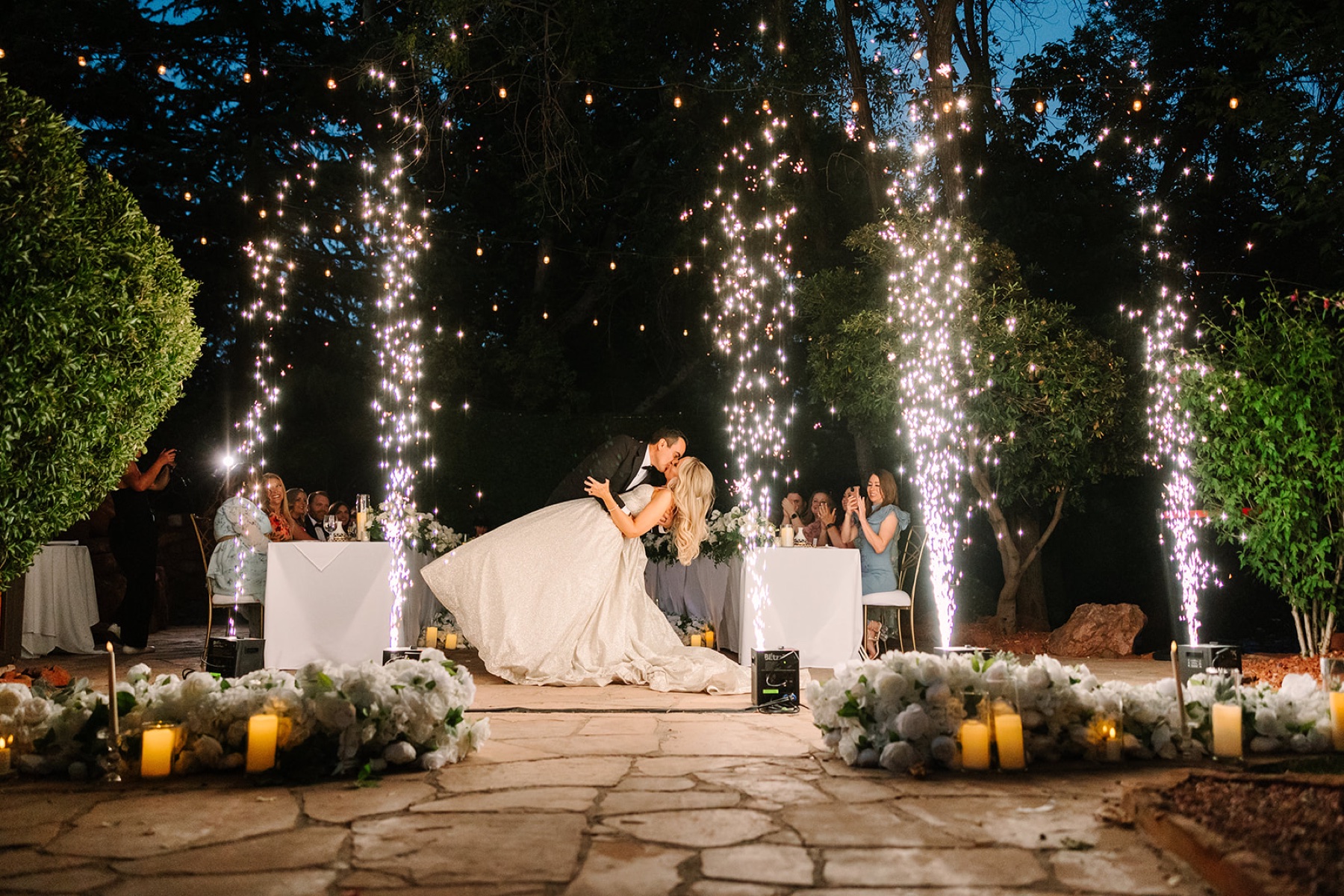
When you compare wedding videography collections, start with what you want to watch afterward. Do you want a short film that brings the day back as a story, the complete ceremony, the speeches, or several different ways to remember the celebration?
Those choices matter for a Sedona elopement as much as a full wedding reception. A brief ceremony can contain the words you most want to hear again. A longer celebration may include voices and moments spread across several events. Film length alone does not tell you which of them will be preserved in the finished collection.
Different filmmakers use different names for their deliverables. Treat the descriptions below as a way to ask better questions, then check the actual proposal and agreement for your wedding.
A highlight or story film gives the day a shape
A highlight or story film is an edited interpretation of the celebration. It may combine scenery, natural sound, selected vows or speeches, movement, and quieter interactions into a film with its own pacing. It does not usually aim to present every recorded moment in chronological order.
For a Sedona day, that could mean the anticipation before the ceremony, the sense of place among the red rocks, and the feeling of gathering with your people. Exactly what appears depends on the events covered and the creative approach you agree on.
Watch complete examples in the Sedona Wedding Films portfolio. Notice which voices carry the story, how the landscape fits around the people, and whether you enjoy the pacing from beginning to end. A longer film is not automatically a better fit; the useful question is whether its form suits what you want to remember.
A ceremony film preserves a different experience
A dedicated ceremony film is intended to let you return to the ceremony as an event, rather than only the selections used in a story film. Ask what "full ceremony" means in the proposal: where the edit begins and ends, which readings or rituals are included, and how sound is recorded.
This can be especially meaningful when relatives cannot travel to Arizona or when you want to hear your vows in context. It is still worth discussing the practical plan for microphones, camera positions, and any officiant or venue restrictions before the day.
Our current published collections list a full ceremony film in the Intimate Film and Micro Wedding Film collections as well as ceremony coverage among the larger collections' deliverables. Check the current description and your personalized agreement when booking. Do not assume every filmmaker includes a separate ceremony edit because their sample highlights contain vows.
Toast films give speeches room beyond the story edit
Selected lines from a speech can help tell the story of a wedding. A separate toast film serves a different purpose: keeping the speech itself available to revisit. If hearing a parent's story or a friend's complete toast matters to you, ask for the deliverable by name.
Make sure the relevant speeches take place during contracted coverage. At a small Sedona dinner, toasts may happen informally after the meal. Tell your filmmaker and coordinator what is planned so the team can arrange sound and avoid discovering an important speech after coverage has ended.
If dinner is at a separate restaurant, confirm the event space and any microphone or filming arrangements with that venue. Our private dining and micro-wedding reception guide can help you prepare the venue conversation. It does not establish what a particular restaurant will allow for your event.
A teaser and raw footage answer different questions
A teaser is a short finished piece, often intended for easy sharing. Ask about its format, approximate length, delivery timing, and whether it is a separate inclusion. A vertical social video and a horizontal film designed for a television may involve different framing and delivery choices.
Raw footage refers to source recordings, with the exact meaning and availability varying by provider. It is not interchangeable with a finished documentary edit or a complete record of every moment. If you are interested in it, ask what files are available, what processing they receive, what software or storage you need, and whether it is offered at all.
The Sedona Wedding Films pricing page currently lists a vertical teaser with the Extended Story collection. It does not list raw footage as a standard inclusion. Ask about any additional deliverable you want before treating it as part of a collection.
Match deliverables to the events you will actually have
Start by listing the moments that matter, then note whether you want them woven into a story, preserved as a longer separate edit, or both. These hypothetical examples show how to think about the choice; they are not descriptions of particular clients or package promises.
An elopement with personal vows: a short story film may capture the feeling, while a ceremony film preserves the promises in context. Private vows outside the ceremony need their own discussion.
A ceremony followed by a family dinner: consider whether there will be speeches and whether dinner falls within coverage. Ask about a separate toast film if complete speeches matter.
A full wedding day with a reception: compare the story film, ceremony film, and toast films alongside the coverage needed for each event.
A destination weekend with a welcome gathering: decide whether that gathering needs filming and which finished film would include it. Multi-day attendance and multi-day deliverables should both be explicit.
For intimate celebrations, our Sedona elopement videography page brings together real examples and coverage information. For timing, use the wedding timeline guide to see how travel, portraits, meals, and speeches fit together.
Use these questions when comparing proposals
Ask each filmmaker the same questions so you can compare the written answers without relying on collection names alone.
Which finished films are included, and what is the approximate length or scope of each?
Which events and hours will be recorded to make those films possible?
Are complete vows, readings, ceremony, and speeches separate edits or selected excerpts?
What delivery dates, formats, download arrangements, and revision terms apply?
How is music chosen, and what sharing rights come with the finished films?
If we want subtitles, a showing for family at home, or another special use, what can you provide and what needs a separate agreement?
Once films arrive, follow the delivery instructions and keep your own copies in more than one place. Ask about any time limit on hosted access instead of assuming the delivery link is permanent.
If you are making these choices from abroad, the remote videographer-selection guide covers consultations and comparing coverage without an advance visit. When you are ready, tell us which moments you want to return to. That is a useful place to begin choosing a film collection.