Sedona wedding planning guide
A Sedona Wedding Timeline That Actually Leaves Room to Breathe
How I build a Sedona wedding timeline around light, travel, vows, portraits, dinner, and the unscripted moments you will actually want to remember.
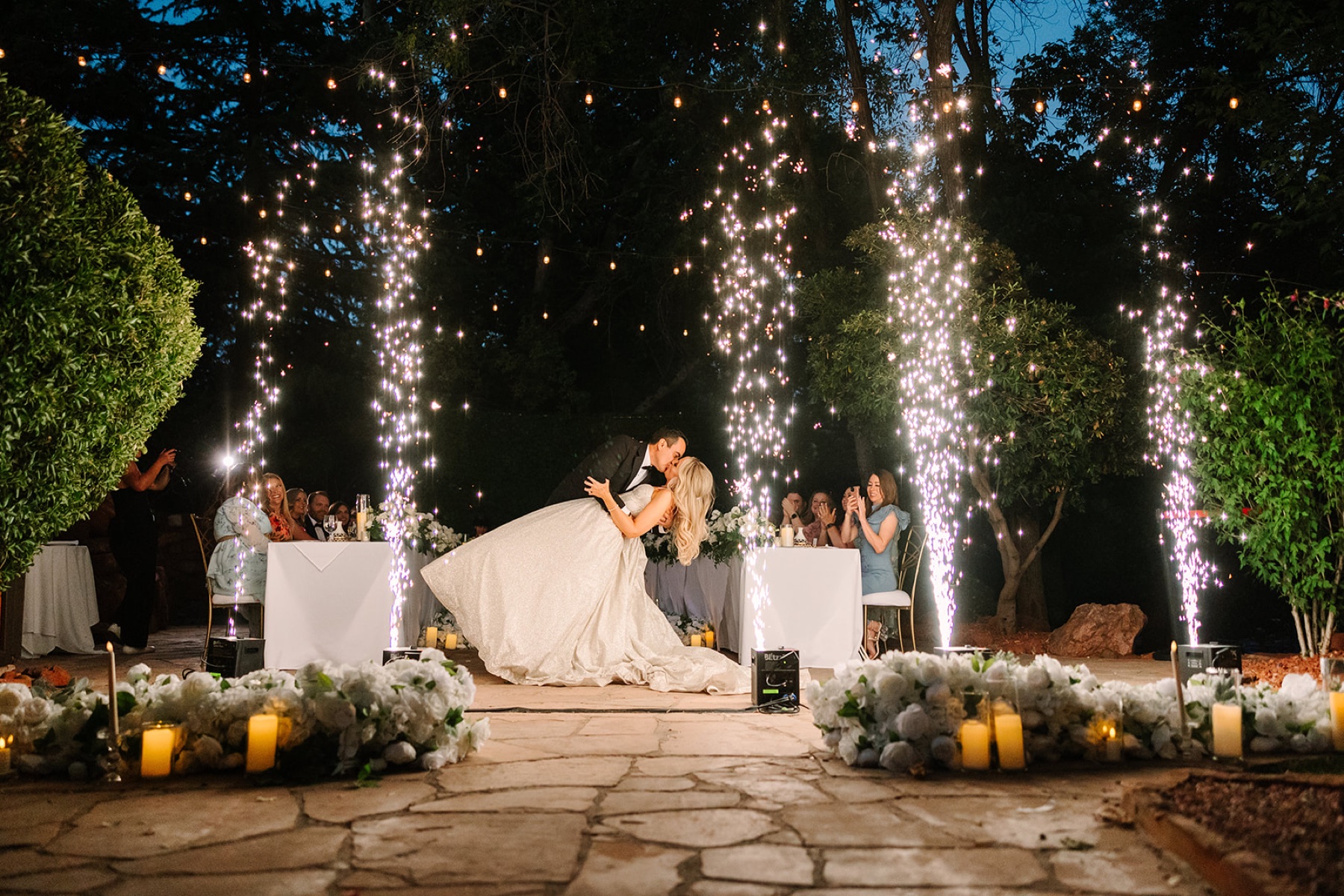
A good Sedona wedding timeline protects three things: the light, the people, and enough breathing room for the day to feel real.
It is not a minute-by-minute performance schedule. It is a structure that keeps the important moments from colliding while leaving space for the hug that runs long, the speech no one expected, and the sunset that makes everyone stop talking.
I build wedding-day coverage backward from sunset, travel, and the moments a couple cares about most. Here is how I think through it.
Start with the chapters you want in the film
Before assigning times, decide what story you want documented.
For a traditional wedding, that might include:
Getting ready with each partner
Details and establishing footage of the venue
A first look or private vow exchange
The ceremony
Family and wedding-party portraits
Newlywed portraits in one or two locations
Cocktail hour atmosphere
Reception entrance, first dance, toasts, dinner, and open dancing
A private last dance or planned exit
For a micro wedding or elopement, the chapters may be quieter: getting ready, a first look, a scenic ceremony, time alone together, dinner, and sunset or night portraits.
Start with meaning. Coverage hours should follow the story, not the other way around.
Build backward from the light
The official sunset time is only a starting point in Sedona. Mountains, ridges, trees, and canyon walls can take away direct light earlier than the weather app suggests.
For red-rock portraits, I usually want us in place before the light becomes its most beautiful. Arriving at the official sunset time often means arriving after the best dimension has disappeared.
The month matters too. Winter gives us a narrow window and a fast temperature drop. Summer gives us a much longer day, but we may need to avoid heat and stay flexible around monsoon weather. My season-by-season Sedona wedding guide explains those tradeoffs.
Give travel its real size
Ten miles in Sedona does not always mean fifteen minutes. Traffic slows around busy weekends, trailhead access changes, parking fills, shuttles run on schedules, and a group moves more slowly than two people.
For every location change, count:
Gathering everyone and loading vehicles
The actual drive with event-day traffic
Parking or shuttle time
Walking to the location
A small cushion for missed turns, forgotten flowers, or a bathroom stop
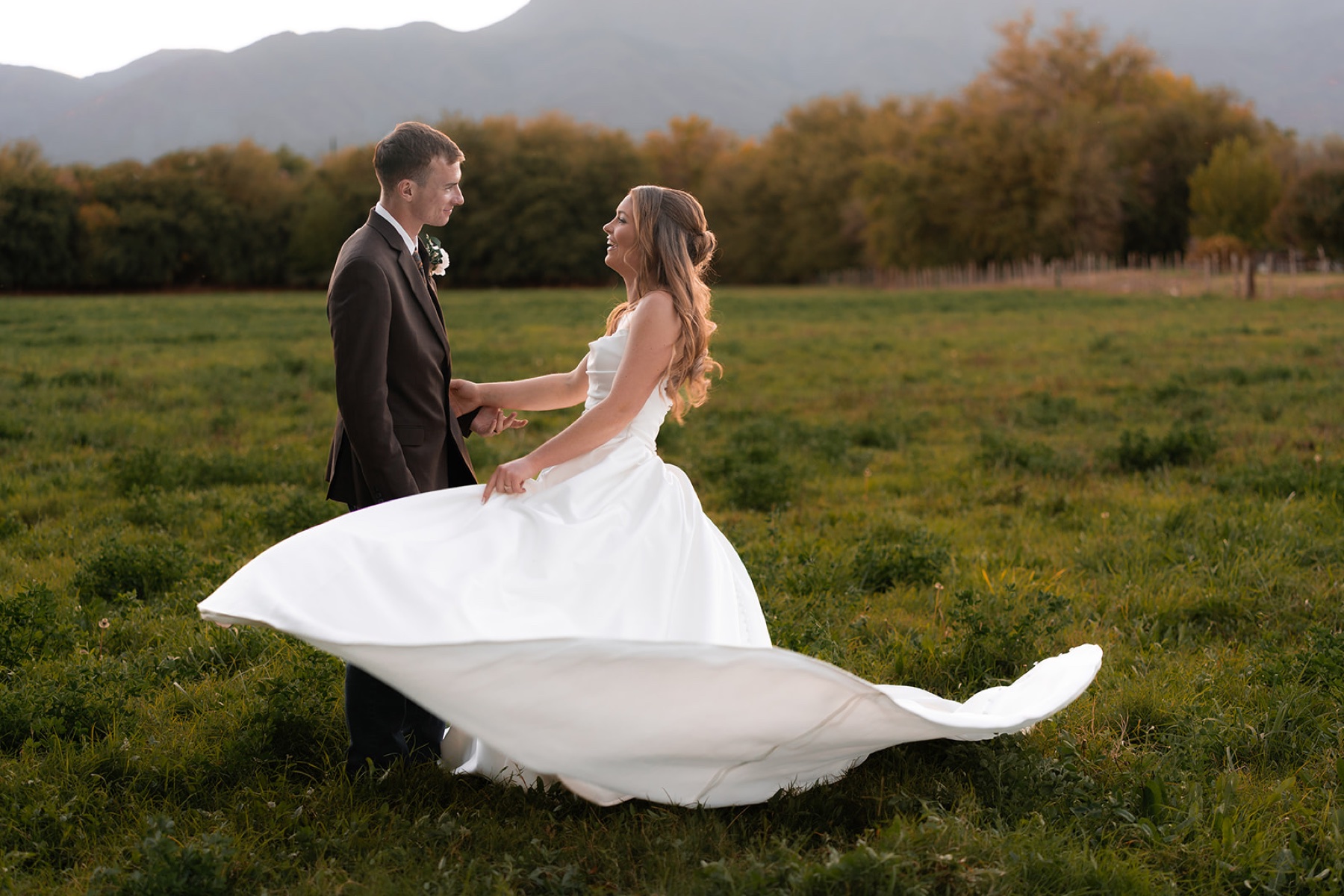
Protecting portrait time is not about turning the day into a photo shoot. It gives us room to slow down and make images that feel like the two of you.
If we have to leave the venue for portraits, one well-chosen location is usually stronger than a checklist of scenic stops. More driving does not automatically create more variety. Often it creates less presence.
First look or no first look?
There is no universal right answer.
A first look can:
Give you private time together before guests arrive
Let us complete couple, wedding-party, or family portraits earlier
Make a shorter post-ceremony window feel relaxed
Help an early winter ceremony work with limited daylight
Waiting until the aisle can:
Protect the anticipation you have imagined
Keep the traditional reveal inside the ceremony
Create a simple emotional build for the film
If you skip the first look, we need enough time after the ceremony for portraits and enough light to make them. If the ceremony ends at or after sunset, the timeline has made the decision for us.
Do not underestimate getting ready
Getting-ready coverage is where the film begins to establish people, place, anticipation, and relationships. It is also where delays often start.
Hair and makeup should finish before the moment you are scheduled to get dressed—not at the same time. Keep the room reasonably clear, gather meaningful details in one place, and allow extra time for complicated attire, letters, gifts, or private vows.
If both partners are getting ready in different locations, travel between them has to fit inside the coverage. Two photographers can split. A single filmmaker cannot be in both rooms at once.
Give the ceremony room on both sides
Guests do not arrive at the exact invitation time. Vendors need to finish setup. Microphones need to be placed. Family members need directions. A ceremony that starts at 4:00 requires a quiet buffer before 4:00.
After the ceremony, do not schedule the next event so tightly that congratulations become an inconvenience. Those hugs are part of the story.
For public-land ceremonies, add time for parking, walking, and the fact that the location is shared. The legal location, group size, and professional coverage rules should be confirmed before the schedule is built. Start with my Sedona elopement permits and logistics guide.
Make family portraits efficient without making them cold
Family portraits go smoothly when the list is decided early and one person from each side knows who everyone is.
I recommend keeping the formal list focused on the groupings that matter most. We can still photograph people organically throughout cocktail hour and the reception. A list of thirty nearly identical combinations eats into the time you have with each other.
Tell us about divorces, mobility concerns, sensitive relationships, and anyone who should not be asked to stand together. Quiet preparation prevents awkward moments.
Protect dinner and speeches
Couples sometimes schedule sunset portraits, reception entrance, first dance, speeches, and dinner service almost on top of one another. The result is a room waiting, food cooling, and everyone watching the clock.
Coordinate the order with the venue, planner, caterer, DJ, photographer, and filmmaker. We need a shared plan for:
When the couple enters
Whether dances happen immediately or after dinner
When food is served
Whether speeches happen between courses
When the room lighting changes
Whether sunset portraits require a brief pause
If golden light falls during dinner, I often recommend a ten- to fifteen-minute portrait break rather than moving the entire reception schedule. A small window can give the film a visual exhale without keeping guests waiting for an hour.
Leave a little open space
My favorite timelines usually include a few small pockets that do not have a task attached to them.
Five quiet minutes after getting dressed. Ten minutes alone after the ceremony. A walk from portraits back to dinner. One song where nobody is being pulled into another photo.
That is where people come back into their bodies. It is also where honest film moments tend to happen.
Sample eight-hour traditional wedding timeline
This is a starting point, not a prescription. Assume the ceremony and reception are at one venue with a short nearby portrait trip.
1:30 p.m. — Coverage begins
Details, venue atmosphere, and the final part of getting ready.
2:30 p.m. — First look and private vows
Time together, followed by couple and wedding-party portraits.
3:30 p.m. — Hide away and reset
Guests arrive while the couple takes a break and the team prepares for the ceremony.
4:00 p.m. — Ceremony
Allow approximately thirty minutes, followed by congratulations.
4:45 p.m. — Family portraits and cocktail hour
Keep formal groupings focused, then let the couple enjoy part of cocktail hour if possible.
5:30 p.m. — Reception entrance and dinner
The exact order depends on catering and sunset.
6:20 p.m. — Sunset portraits
A short, intentional portrait break close to the venue.
6:45 p.m. — Toasts, dances, and open celebration
Let the reception build naturally rather than stacking every formal event into ten minutes.
9:30 p.m. — Coverage ends
By this point the film has a complete arc from anticipation through celebration.
Sample five-hour micro-wedding timeline
This works for a celebration without a long traditional reception.
3:00 p.m. — Coverage begins
Final preparation, details, and atmosphere.
3:45 p.m. — First look
Private time together and a few portraits.
4:30 p.m. — Intimate ceremony
Followed by family hugs and a small set of group portraits.
5:15 p.m. — Scenic portraits
One carefully chosen location with enough time to enjoy it.
6:30 p.m. — Dinner, cake, or champagne
Capture the people, toasts, and beginning of the celebration.
8:00 p.m. — Coverage ends
The story feels complete without manufacturing a reception that is not part of the day.
Frequently asked questions
How much time should we allow for Sedona portraits?
For one nearby location, thirty to forty-five minutes of actual portrait time can work beautifully. Travel, parking, and walking are separate. An adventurous location or multiple stops needs more room.
Should we schedule the ceremony at sunset?
Usually not exactly at sunset. If you want natural-light portraits afterward, the ceremony needs to end earlier. The landscape may also lose direct light before the published sunset time.
How much coverage does a traditional wedding need?
Eight hours is a strong starting point when you want preparation, ceremony, portraits, and meaningful reception coverage. Five hours is better suited to a micro wedding or ceremony-centered celebration without a traditional reception.
Build a day you can actually feel
The timeline should support the wedding, not become the wedding.
If you want help deciding where coverage should begin, how much travel is realistic, or whether the portrait plan fits the light, send me the outline of your day. I will help you build a film timeline with enough structure to feel effortless and enough room to feel alive.