Local Sedona travel guide
Best Time to Visit Sedona: An Honest Month-by-Month Guide
The best time to visit Sedona depends on whether you want hiking weather, fewer crowds, dramatic skies, creek days, or a quiet winter trip.
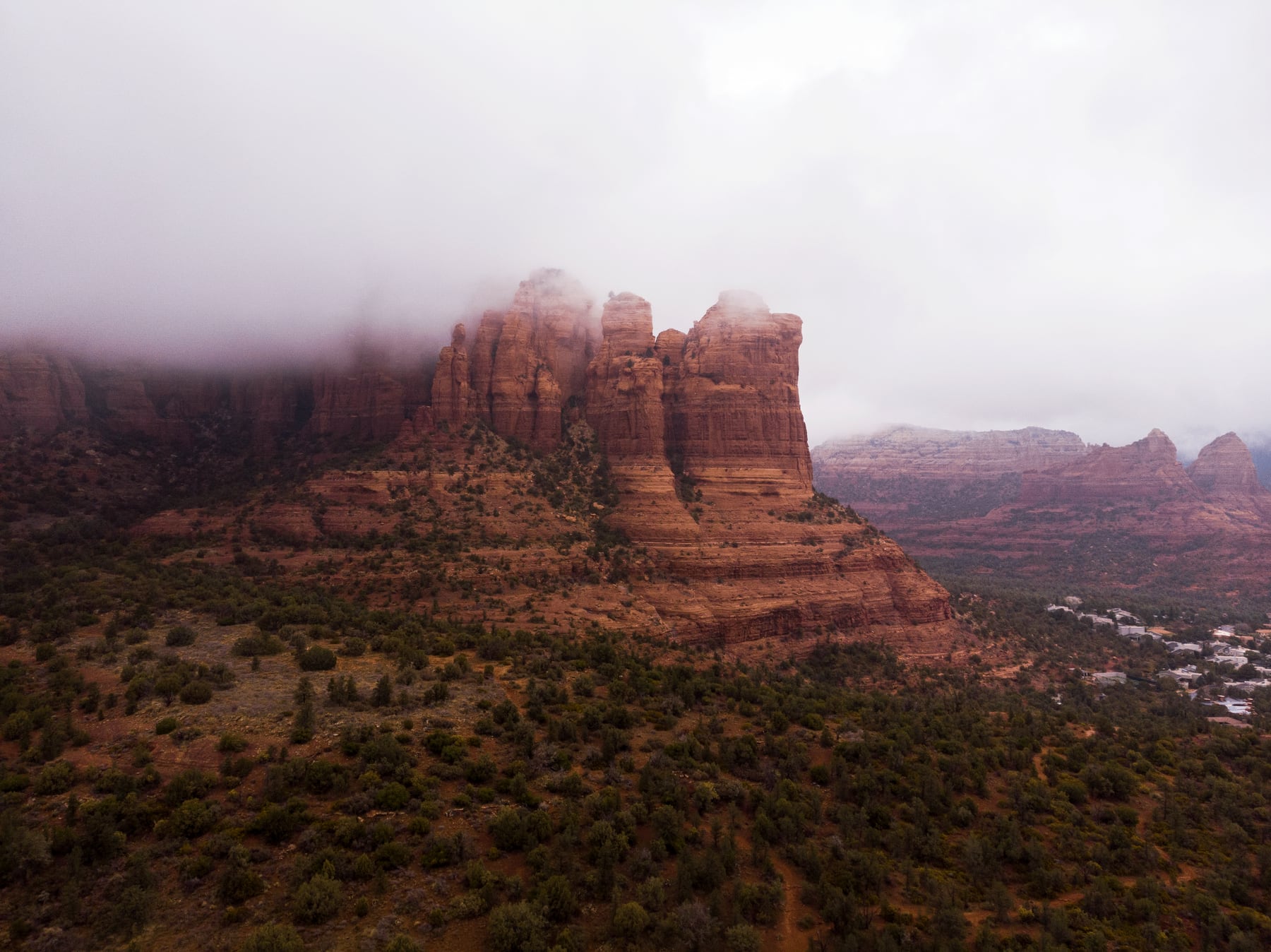
There is no bad month to visit Sedona. There are only tradeoffs people forget to tell you about.
Spring and fall usually bring the easiest hiking temperatures—and the heaviest demand. Summer gives you long days, warm creek weather, and incredible storm light, but exposed trails can become dangerously hot. Winter is quieter and often gorgeous, with short days, cold nights, and the real possibility of snow or ice.
The best time to visit is the season that matches what you actually want to do.
Last checked September 13, 2026. Weather and access can change quickly. Use the National Weather Service forecast and Coconino National Forest alerts close to your travel date.
The short answer
Best overall hiking weather: April, early May, October, and early November.
Best chance of a quieter trip: January, February, late summer weekdays, and much of November outside holiday periods.
Best for warm creek time: late spring through early fall, with heat-aware plans.
Best for dramatic skies: summer monsoon season.
Best for a cozy couples trip: winter.
Best for wedding weekends: spring and fall are popular, but a well-planned winter or summer date can be beautiful.
Crowd levels do not follow a perfect calendar. School breaks, holiday weekends, major events, and good-weather forecasts can change the feel of a week.
January and February: quiet, crisp, and underrated
Winter is for people who like bright days, cold nights, uncrowded restaurants, and the chance of snow against red rock.
You need real layers. Shaded sections can hold ice, sunset comes early, and a trail that felt dry at noon can feel completely different the next morning. Keep plans flexible after winter weather and choose lower-consequence trails if footing is questionable.
This is a lovely time for scenic drives, galleries, spas, short hikes, and stargazing. It is also one of my favorite seasons for couples who care more about atmosphere than patio weather.
March: beautiful weather meets spring break
March often feels like Sedona waking up. Hiking temperatures can be excellent, but visitor volume rises quickly.
Book lodging early, prioritize weekday mornings, and do not build the trip around one tiny parking lot. Wind and late cold snaps are still possible. Pack for warm sun and a much colder evening.
April: classic Sedona weather and peak demand
April is the month many first-time visitors imagine: comfortable days, long enough evenings, and a landscape that invites you outside.
It is also one of the busiest times of year. Start popular hikes early, use the Sedona Shuttle where it serves your route, and reserve important dinners. If crowds make you anxious, pair one iconic trail with a quieter experience instead of fighting the same bottlenecks every day.
May: longer days and rising heat
Early May can still feel like spring. By late May, exposed trails may feel like summer in the middle of the day.
Shift hiking toward sunrise, schedule lunch and indoor plans during the hottest hours, and return outside for the evening. Oak Creek Canyon becomes especially appealing, although popular creek areas can be busy too.
June: clear mornings and serious heat
June is often dry, bright, and hot. It can work beautifully if you respect the temperature.
Begin outdoor plans at sunrise, carry more water than you think you need, and avoid committing to a long exposed trail late in the morning. This is not the month to prove anything to the rocks.
Long daylight is useful for wedding weekends and photography, but guest comfort needs to lead the schedule.
July and August: monsoon skies and flexible plans
Summer monsoon storms can build quickly. A blue morning does not guarantee a dry afternoon, and thunder near an exposed ridge is a reason to leave—not a reason to wait for a dramatic photograph.
The upside is extraordinary cloud structure, changing light, and rain-cooled evenings. The downside is lightning, sudden downpours, flash-flood risk, slick rock, road damage, and plans that may need to change within an hour.
Choose morning hikes, watch the forecast, stay out of washes and narrow drainages when storms threaten, and keep a gallery, spa, or long-lunch backup.
September: summer slowly loosens its grip
Early September can still be hot. Later in the month, mornings and evenings often become more comfortable.
This is a good shoulder-season choice for travelers who want warm weather and somewhat more flexibility than peak spring. Monsoon activity does not switch off on a calendar, so keep watching conditions.
October: beautiful, comfortable, and popular
October is a favorite for hiking, patios, golden-hour light, and weddings. That popularity affects lodging, restaurants, traffic, and trailheads.
The best strategy is not avoiding everything popular. It is choosing one important reservation, one early trail, and enough margin that traffic does not become the main character of the trip.
November: my practical favorite
November often gives you crisp air, quieter weekdays, and excellent hiking without full winter conditions.
The days are shorter and temperatures fall quickly after sunset. Thanksgiving week is its own busy season, so do not assume all of November will feel empty.
For travelers who want a calm, grown-up Sedona trip, this month is hard to beat.
December: festive, cold, and surprisingly varied
December can mean bright hiking weather, a storm, a cozy resort day, or all three in the same trip. Holiday periods bring more visitors, while the weeks around them may feel quiet.
Plan outdoor time earlier, bring traction-aware footwear, and choose lodging you would be happy to enjoy if weather changes your schedule.
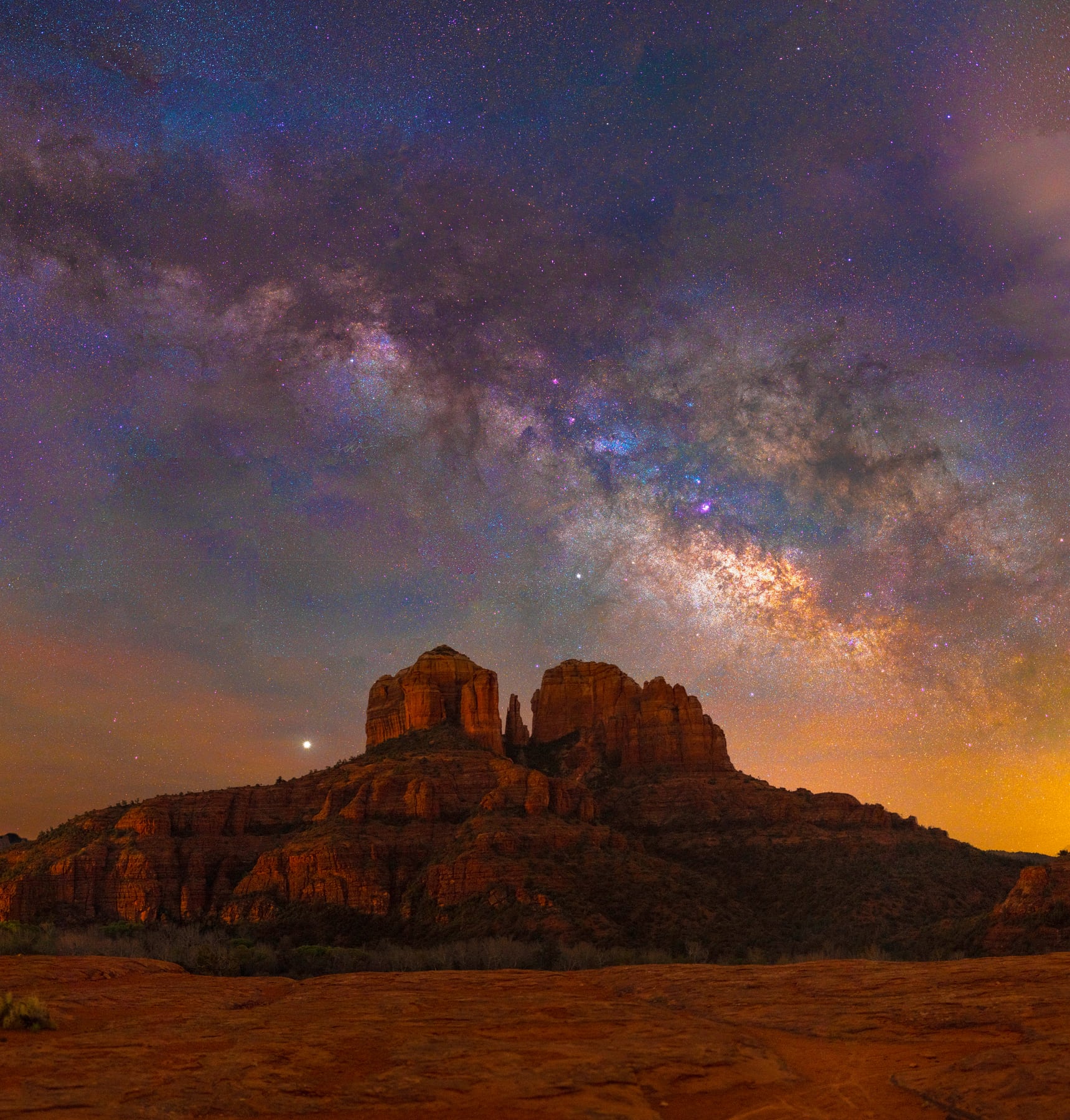
Clear winter nights can be spectacular, but the temperature drops fast after dark. Photograph by Shannon Roberts.
Best season by the kind of trip you want
For hiking
Choose spring or fall for the broadest range of comfortable conditions. Winter can be excellent on dry days. In summer, treat sunrise as the beginning of the hiking day, not brunch time.
For stargazing
Any clear night can work. Look at the moon phase, cloud cover, wind, and temperature—not just the month. Sedona is an International Dark Sky Community, and the official Sedona Secret 7 stargazing guide lists established viewing options.
For fewer crowds
Prioritize weekdays, non-holiday periods, and shoulder-season dates. Time of day often matters as much as month.
For a wedding weekend
Spring and fall are popular because guest comfort is easier, but they require earlier bookings. Winter gives you quieter scenery and short timelines. Summer offers long daylight and dramatic skies, but every part of the day needs a heat and storm plan.
My season-by-season Sedona wedding guide goes deeper into ceremony light, guest comfort, and wedding logistics.
Best time to visit Sedona FAQ
What is the single best month to visit Sedona?
October is an easy answer for comfortable weather, but it is not a secret. November is my practical choice for many travelers because it can combine good hiking conditions with a calmer pace.
Is Sedona too hot in summer?
It can be too hot for exposed midday hiking. Summer is still enjoyable when you start early, build in shade and indoor time, carry enough water, and remain flexible around storms.
Does it snow in Sedona?
Yes. Snow is not constant, but winter storms can cover the red rocks and create icy roads and trails. Check current conditions instead of assuming desert means warm.